

A strong supplement brand does not begin with a fashionable ingredient. It begins with a clear consumer and business problem, then aligns formulation, dosage form, cost, packaging, regulatory requirements and the route to market.
Define the target customer and core brand value first. Complete a product brief before evaluating formulation, dosage form, total cost, packaging, registration and launch timing with the manufacturer.
1. Start with the consumer, not the formula
Define the customer’s age, needs, health behaviour, purchasing channel, price tolerance and reason to choose your product. A precise audience keeps product format, pricing and communication aligned.
Express the intended positioning in one practical sentence. This is an internal decision guide, not a finished advertising claim.
- Primary customer and usage occasion
- Need the product is designed to address
- Target price and sales channels
- Brand character and proof of credibility
2. Build a complete product brief
The brief should state the intended benefit, ingredient direction, dosage form, units per pack, target retail price, channels and desired launch window. Separate non-negotiable requirements from flexible preferences.
Keep room for technical recommendations. Ingredient properties, serving size and stability may require a different format or pack than originally imagined.
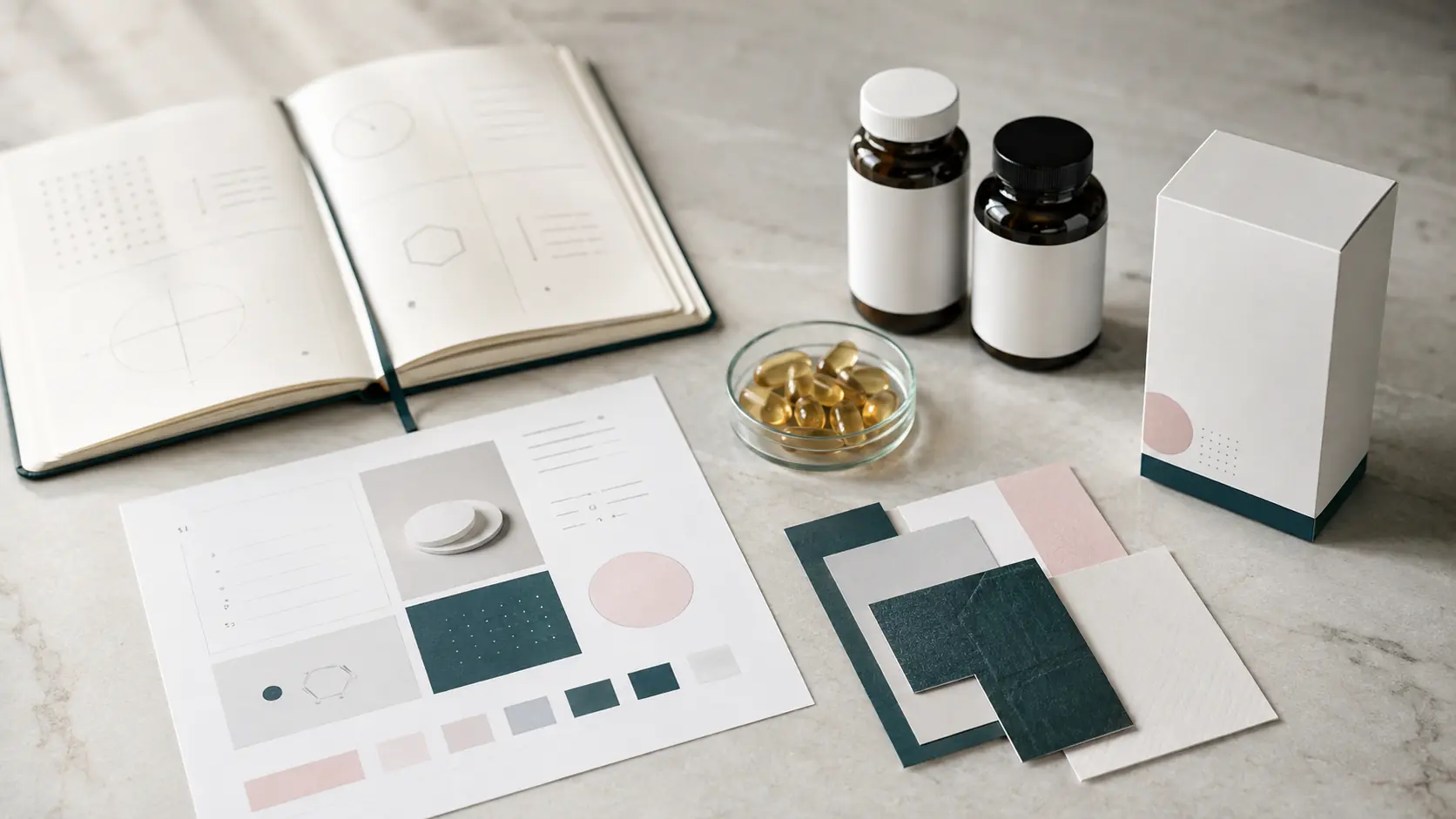
3. Evaluate formulation and dosage form together
Capsules, softgels and tablets have different process and stability constraints. Powders and oils require different technical approaches, while flow, compressibility, odour, taste and moisture sensitivity can all affect feasibility.
Ingredient specifications, origin, supporting documents and incoming acceptance criteria should be reviewed for the actual project rather than assumed from the ingredient name alone.
4. Model the total commercial cost
Total cost includes development samples, raw materials, manufacturing, testing, registration, packaging, design, logistics, marketing and inventory—not only the factory price.
Model at least the target selling price, break-even volume and a slower-sales scenario. Confirm MOQ, lead time and cost assumptions with the manufacturer before committing.
5. Integrate packaging, compliance and launch
Packaging must protect the product while communicating the brand. Consider light, moisture and oxygen sensitivity, transport, label space and ease of use before approving artwork.
Build registration, label review, quality testing and revision cycles into the schedule. During development, prepare responsible educational content, customer-data consent and sales channels so the launch system is ready with the product.
- Approved brief and budget
- Aligned formula, dosage form and package
- Verified label and registration information
- Sales and customer-data system ready
- Clear owner and approval point for each stage